Stripped of Its Housing Tools, Teton County Looks Across the Line
Idaho's HB 583 stripped Teton County of its short-term-rental housing tools. The one workable fix officials found originates across the line in Wyoming.
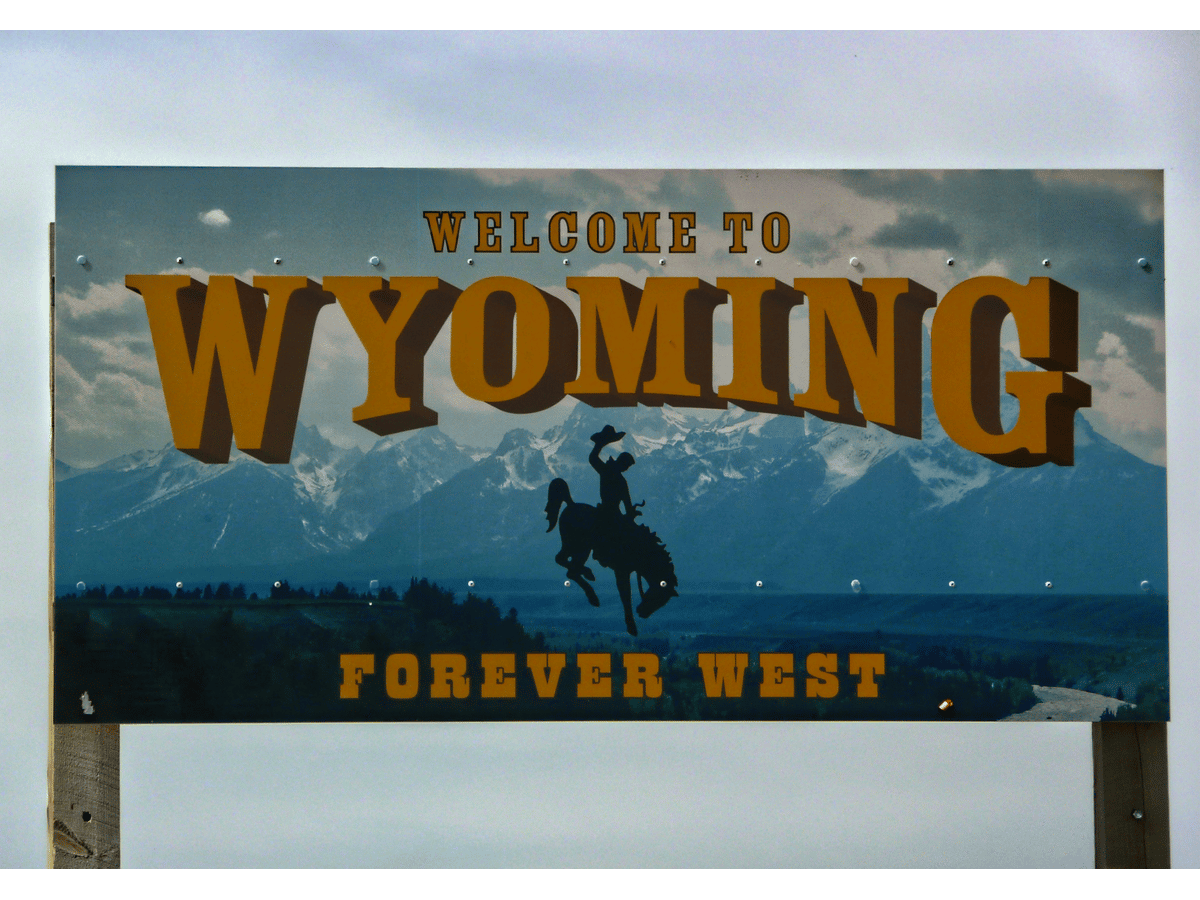
DRIGGS — Teton County, Idaho can no longer require a license, permit, or inspection to run a short-term rental, after its own legislature stripped those housing tools this year. The one housing lever officials found workable originates across the state line in Wyoming. At the two Teton counties' July 23 joint workshop, Idaho Commissioner Ron James estimated 685 to 700 short-term rentals in the county, with second homes converting into VRBOs that "take away housing from our citizens."
The county carries much of the workforce-housing burden of Grand Targhee's growth, even as Idaho hands it fewer housing tools to address it. (overview)
The 685-to-700 figure was James' own estimate; no permit count was presented to the workshop. "In state of Idaho right now, with the last legislative session, they pretty much deregulated all any kind of stopgap you have on a short-term rental," he said. That points to HB 583, which bars Idaho cities and counties from requiring licenses, permits, fees, inspections, or registrations to run a short-term rental, effective July 1. Driggs' $80 permit, its safety inspections, and its annual reporting ended that day. The lodging tax and basic fire-safety rules stayed. Sen. Mark Harris, whose district covers Teton Valley, voted against the bill.
Victor Interim Mayor Sue Muncaster pushed back on treating the rentals themselves as the problem. "For residents who are homeowners, a short-term rental is additional income. That makes it possible for them to live here," she said. "The problem, it's more short-term rentals that are owned by people who are not living here."
Idaho Commissioner Dan Powers said he can count about five short-term rentals from his own house. "4th of July, half of Utah was up here, just bombarding us with fireworks," he said, describing the trash left after the weekend. "It really impacts the livability of our neighborhoods." James added the traffic on Highway 33, guessing the holiday count hit 20,000 vehicles against the 18,700 he recalled from the same day a year earlier. Powers came back to the rentals and tied them to property taxes. A house that rents for a weekend at the cost of three months of mortgage payments sells for more, he said, "and next thing you know, property taxes for the whole neighborhood go up."
Resort-residential development generates more workforce housing demand than any other type, a summary the Teton Valley Housing Authority prepared for the workshop found. Every 100 resort-residential units produce 48.5 employee households, the authority wrote, against 27.2 for single-family homes and 19.9 for multifamily units. It attributed the figures to a 2023 Teton County, Wyoming, employee-generation study. The 2022 regional housing needs assessment projected demand for up to 1,580 additional homes by 2027, at least 60 percent of them below-market, while the median home sells for near $1 million, about three times what a median family can afford. The working households the valley relies on, from trades workers to teachers, deputies, and nurses, earn between 50 and 150 percent of the area median income. Those are the housing authority's figures; the county presented no independent counts at the workshop.
Idaho gives local governments few housing tools, the summary notes, with no inclusionary zoning and no real estate transfer tax, and the state funds housing at the region's lowest level. On the west slope of the Tetons, it adds that the shortage falls on Idaho even as the growth driving it occurs in Wyoming. The Signal previously reported the county spends about $51 per resident on housing while neighboring resort communities spend hundreds.
Teton County, Wyoming requires development to provide or fund workforce housing as mitigation, an authority Idaho local governments do not have. Because Alta can be reached only from the Idaho side, some of the mitigation that Grand Targhee's Alta-side expansion would owe can be met with deed-restricted homes built in Idaho. Teton Valley Housing has spent the past year in talks with the Jackson and Teton County Affordable Housing Department to bring those future units into Idaho's Qualified Workforce Housing Incentive Program and steward them there, Jerod Pfeffer, the housing authority's executive director, told the room. The program lets developers earn added density in exchange for permanently deed-restricted homes, awarded by a lottery weighted toward households that staff local public services. "All the incentives are aligned," Pfeffer said, describing it as "a technical problem" to solve, not a difference in values. The workshop took no vote on any of it.
Muncaster pressed the group to narrow its ambitions. Any funding tool should serve a short list, she argued, "what I see as like 3 things: public safety ... the environment, or housing," and the group should start with one, "especially if we're asking the visitor to help pay for it, or another agency, or the senators." Muncaster also urged the two counties to sequence their asks, pursuing direct talks with Grand Targhee before requesting the resort district's funding penny. Echoing an earlier point from Mark Newcomb, chair of the Teton County, Wyoming commission, she also called for modeling what doubling the valley's tourism would mean for housing before taking any request to outside funders.
Housing was one of several strains that came up in the challenges round. Participants also described full classrooms and stretched water and sewer systems, covered in a companion look at how Targhee's growth lands on Idaho's other services.
Sources
Subscribe
The Morning Signal
Teton Valley news, once or twice a week. The reporting is airtight. The introduction is unhinged.