Driggs Airport Cash Fell by Half After Runway Repair
Driggs paid for this summer's runway repair from the airport fund. Its cash fell by half, and the airport's fuel fee dropped to 5 cents a gallon.
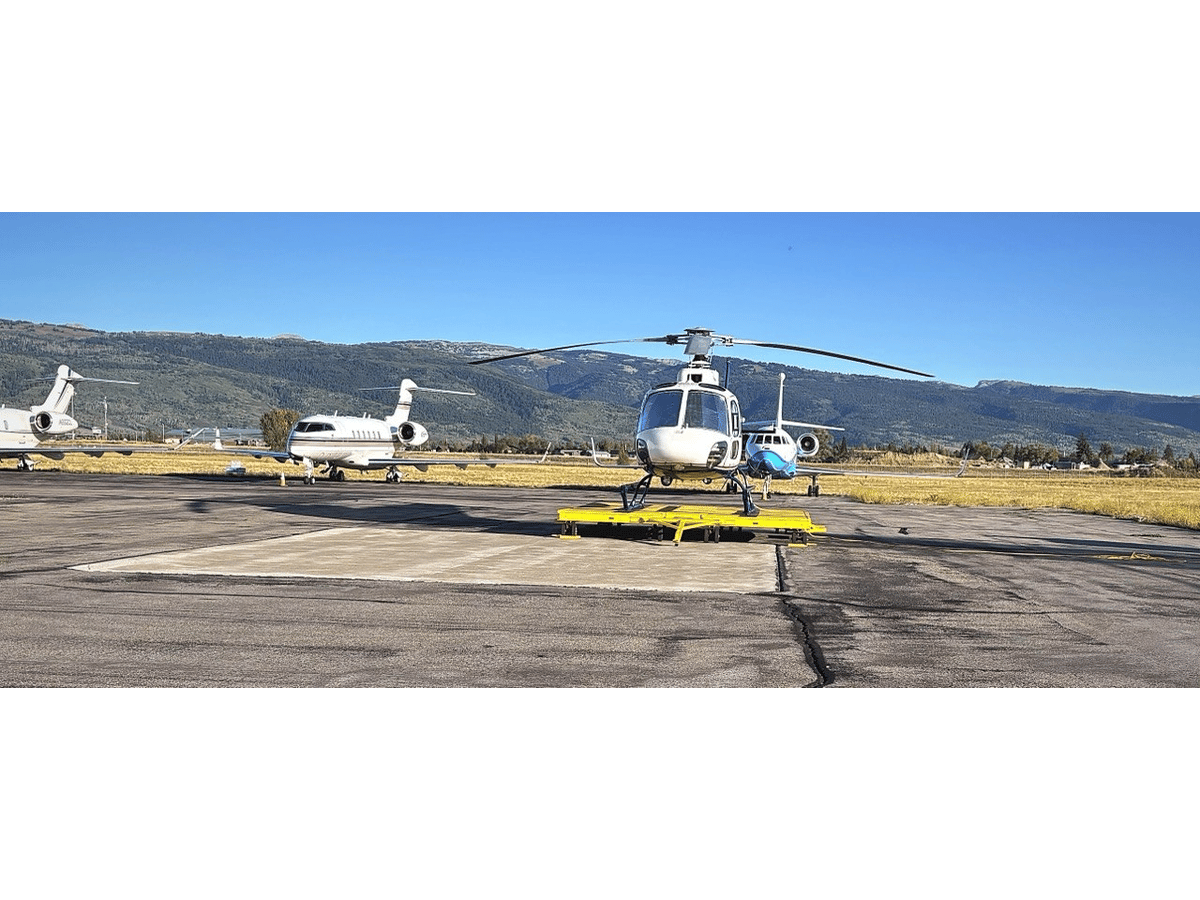
DRIGGS — The City of Driggs paid for this summer's runway repair out of the Driggs-Reed Memorial Airport fund, and the airport fund's cash fell from $1.44 million in the treasurer's report to the Airport Advisory Board's July 13 meeting to about $680k in the treasurer's report to the board's Nov. 9 meeting. On Oct. 1, as the city began its new fiscal year, the fee the airport collects on each gallon of fuel sold there dropped to 5 cents.
The repair began with an irrigation line that failed under the runway June 6. The city cut the usable runway from 7,301 feet to 3,850 until the work was finished Aug. 29, according to Airport Superintendent Billy Cyr's quarterly report to the City Council. The FAA declined to pay for the repair, so the city spent its own money.
The council approved the construction work Aug. 4: a $586.2k supplemental agreement with DePatco, the contractor already building the runway shift, "to be paid from the Airport Fund," on a unanimous vote. On Aug. 18 the council approved a design and engineering task order with Woolpert, the city's airport engineer, billed by time and materials and estimated at about $300k. The Woolpert vote was 2-1; Council member Sarah Johnston voted no, saying she was uncomfortable with an "open-ended" contract, according to the minutes. City Administrator Doug Self's staff report added the DePatco and Woolpert amounts to $95k approved earlier for a total of about $981k, against an airport reserve of "just over $1,000,000." Cyr's reports to the council put the cost at "approximately $1 million."
By the end of the fiscal year Sept. 30, the airport had booked about $789k of repair costs, according to Treasurer Maddi Manos's September report to the airport board. Manos put the airport's 2026 deficit at about $512k before any state reimbursement, "driven by the unanticipated runway repair expenses." The budget had planned for a $64.5k deficit. Manos's forecast had been a deficit of about $25k in the July report and about $650k in August.
Manos's October report lists what the airport still owes against its cash: about $458k in retention payable, about $171k "Due To City General Fund," and smaller items. The October report also counts about $314k in Idaho Transportation Department aeronautics grants as "Approved; waiting for it to be processed." At the airport board's Oct. 12 meeting, Manos said she believed the grant money "can all be committed to the runway repair project."
Asked at the council's Nov. 17 meeting how much was left in the reserve, Cyr turned to Manos. "We have about $400K left in the airport reserve, which is less than I'd like, but it's not negative," she said, calling it her "napkin math." Manos said the $400K figure "does include" the approved state grants and "the retention payable that we owe on the big project, the runway shift."
The general fund line has been on the airport's monthly reports since at least November 2025, unchanged, labeled "Pre 2025 charges (i.e. payroll, credit card)." At the board's Aug. 10 meeting, board chair Lisa Pierson asked when the line would "get adjusted out." Manos answered that "this upcoming audit year" she would "really dig in" with the auditors. At the Nov. 17 council meeting, Manos described the line as "about $170K that I'm investigating as due to the general fund," money that "has been kind of collected year over year since before I was here." Manos called the line "a whole catch-all of silly accounting things," such as credit card payments. If the airport does not owe the $170K, Manos said, "then we might be closer to $570,000."
Cyr told the council the city "had the funds available" to repair the runway. "We're so fortunate that we had those reserves to be able to do that, because if we didn't, I think we'd have a very different conversation right now," he said.
Teton Aviation, the airport's fixed-base operator, pays the city a flowage fee on each gallon Teton Aviation sells. Teton Aviation's 1996 lease set the flowage fee at 5 cents for jet fuel and avgas. Amendments to Teton Aviation's snow-removal agreements raised the flowage fee over the years to 15 cents for jet fuel and 10 cents for avgas; a 2018 amendment raised the fee from 10 cents a gallon to 15, according to Cyr's Aug. 10 staff report to the airport board. The snow-removal agreement amended in 2018 expired Nov. 1, 2020, and Cyr's report says the agreement "is no longer a valid legal document." The city collected the higher rates through the 2026 fiscal year, which ended Sept. 30.
At the Nov. 17 meeting, Cyr said, "It was discovered by Teton Aviation this past spring was that that amendment was expired." In June, Teton Aviation told the city the fee would return to the 1996 rate when the fiscal year turned. City staff estimated the lost flowage revenue at about $60k. Fuel flowage brought the airport about $80k in the 2025 fiscal year, according to the draft 2027 budget. Fuel sales at the airport totaled 394,760 gallons in the 2026 fiscal year, 349,835 of them Jet A, according to Manos's October report. Asked whether the old rates might come back, Cyr said, "I would not be optimistic that that would return."
To replace the fuel money, the airport board recommended higher landing fees unanimously Sept. 14, and the council adopted the landing fees Oct. 6 in the city's 2027 fee resolution. Since Oct. 15, aircraft from 9,000 to 19,999 pounds pay $8 per 1,000 pounds, aircraft from 20,000 to 49,999 pounds pay $10, and heavier aircraft pay $12, with $1 per 1,000 pounds added between 10 p.m. and 7 a.m.
Free newsletter
The Morning Signal
Teton Valley news, once or twice a week. The reporting is airtight. The introduction is unhinged.
Free. Unsubscribe anytime.
Sources for this story
- Airport quarterly update staff report, Driggs City Council, Nov. 17, 2026
- Driggs City Council meeting, Nov. 17, 2026
- DePatco change order staff report, Aug. 4, 2026
- Driggs City Council minutes, Aug. 4, 2026
- Woolpert runway repair task order and staff report, Aug. 18, 2026
- Driggs City Council minutes, Aug. 18, 2026
- Airport monthly financial report, July 2026 board packet
- Airport monthly financial report, Aug. 10, 2026 board packet
- Airport monthly financial report, Sept. 14, 2026 board packet
- Airport monthly financial report, Oct. 12, 2026 board packet
- Airport monthly financial report, Nov. 9, 2026 board packet
- Airport monthly financial report, Dec. 8, 2025 board packet
- Landing fee staff report, Airport Advisory Board, Aug. 10, 2026
- Airport Advisory Board minutes, Sept. 14, 2026
- Resolution 445-26, FY2027 fees and fines
- Draft FY2027 airport budget, May 2026
- Airport Advisory Board meetings, Aug. 10, Sept. 14, and Oct. 12, 2026
- FAA Won't Fund Driggs Runway Repair, Leaving the City a $1 Million Bill