FAA Won't Fund Driggs Runway Repair, Leaving the City a $1 Million Bill
The FAA won't fund the Driggs runway repair after a burst irrigation line, leaving the city facing a bill near $1 million and contesting the decision.
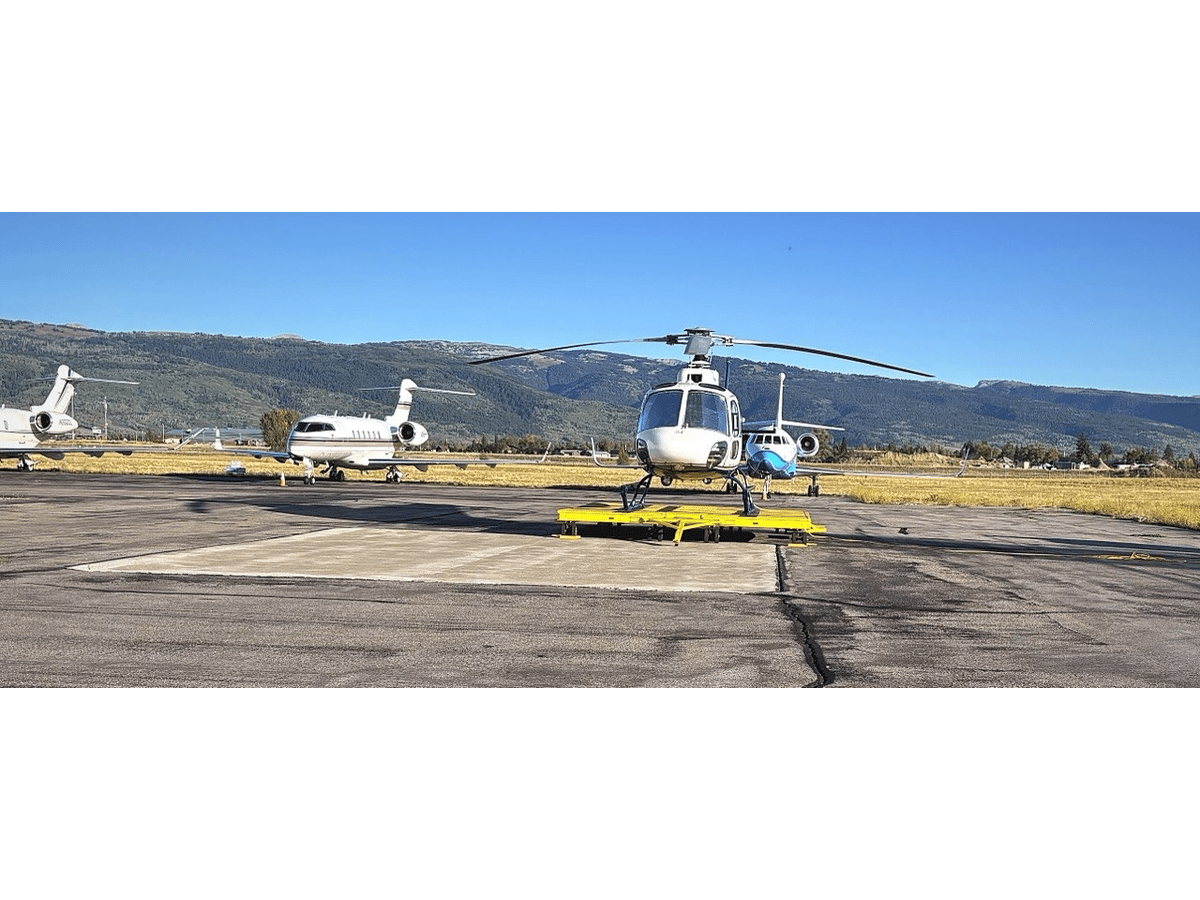
DRIGGS — The Federal Aviation Administration will not pay for any of the repair to the water-damaged runway at Driggs-Reed Memorial Airport, Airport Superintendent Billy Cyr told the city council July 21, a reversal that leaves Driggs facing a bill it now estimates near $1 million.
The decision upends the plan the council approved in June, when it authorized up to $95,000 for the repair on the understanding that the FAA would cover most of the cost. City staff said the FAA delivered its position at a July 16 meeting with city consultants. The agency told the city it could repair the failed irrigation line either by rebuilding it under the runway or by routing the water around it with a downstream structure and pump, but that neither the asphalt, the subgrade, nor the line itself qualified for federal money. The city had expected a 15 percent amendment to the airport's original $10.6 million runway-shift grant, about $1.5 million, to cover the work.
Without that grant, the cost falls on the airport, which holds about $1.1 million in its fund. Paying for the repair out of it "would probably be bankrupting that fund," Cyr said. The city has about $400,000 left over from last year's runway-shift project that it could tap to keep the work moving, he said. The morning of the meeting, Cyr said, the Idaho Department of Transportation's Division of Aeronautics emailed the city offering to help. Any assistance would most likely come as a grant, though the amount and timing are unknown.
Cyr said the agency's reasoning is that the ruptured line is not the FAA's and the city is responsible for what runs beneath its runway. Driggs is contesting that in a response City Attorney Sam Angell is helping draft, turning the argument around. Under Idaho law, City Administrator Doug Self said, when an encroachment placed in an irrigation right-of-way damages the line, the owner of the encroachment has to repair it. The runway, in the city's view, is the encroachment.
In June the city planned to abandon the failed line and move the Grand Teton Canal head gate off airport property; now it plans to keep the line where it is, encased in an 18-inch steel sleeve under the runway, a method Cyr said is the standard for water lines that cross runways. Councilmember Sarah Johnston noted that staff had told the council in June the line would be relocated, and Cyr agreed the switch was "a huge change." Geotechnical borings the week of July 14 narrowed the excavation to a 260-foot stretch across the runway's 100-foot width, smaller than the city had feared. The narrower scope is part of why the estimate came down toward $1 million.
Cyr and Self presented the update for discussion, and the council took no vote. Staff said they would return at a future meeting with firm costs and a funding proposal. The runway has operated at 3,850 feet of its 7,301-foot length since the city shut the line off June 7. The Teton County fair board, which normally receives the canal water, has drawn city water from a metered hydrant to wet the rodeo grounds while the line is dry; Public Works Director Jay Mazalewski said the city has not yet billed the board for it.
What to watch: staff's return to the council with firm repair costs and a funding proposal; the FAA's response to the city's appeal; and whether the Idaho Division of Aeronautics follows its offer with a grant.
Sources
Subscribe
The Morning Signal
Teton Valley news, once or twice a week. The reporting is airtight. The introduction is unhinged.