Driggs Runway Repair: City Will Abandon the Buried Pipe
The Driggs runway repair will abandon the buried irrigation line that damaged the airport. The city council funded it with up to $95,000 on June 16.
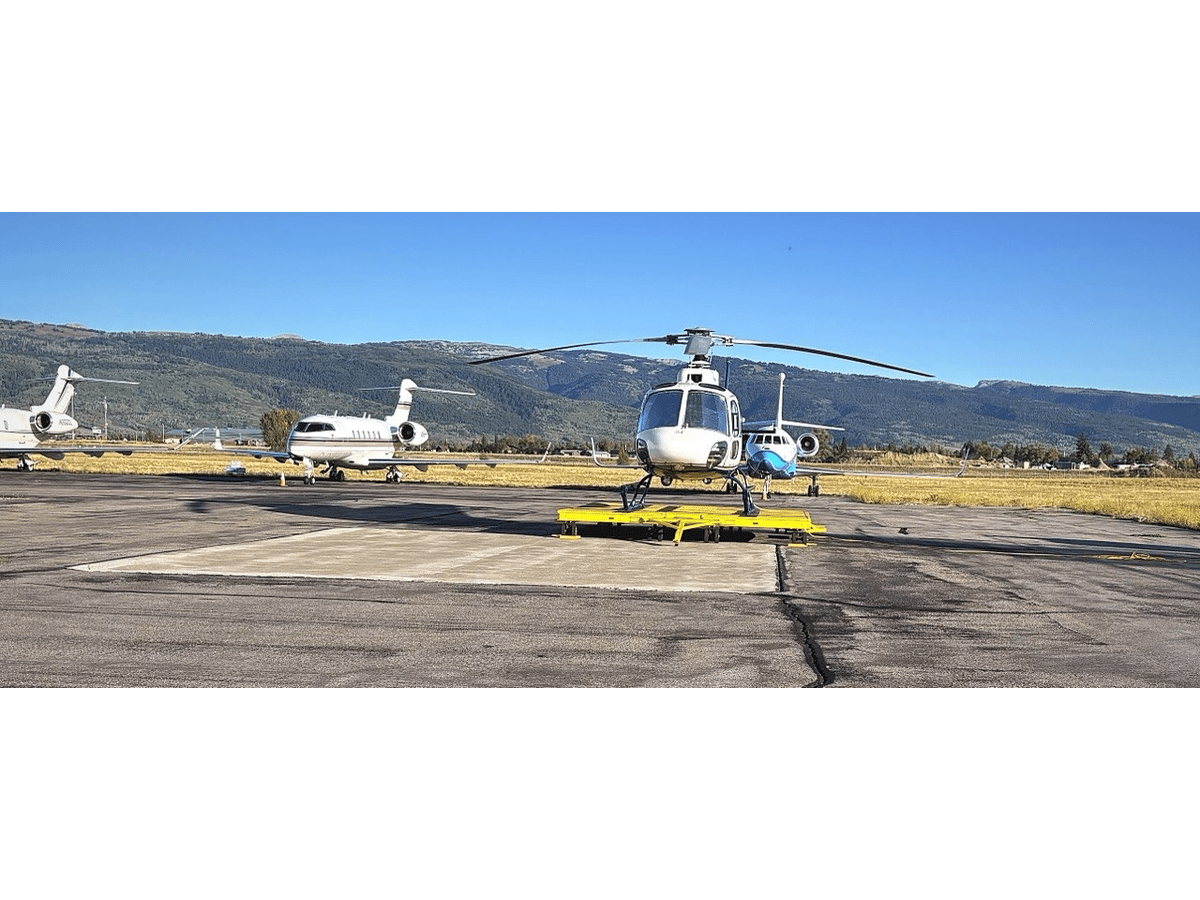
DRIGGS — The city council voted June 16 to authorize up to $95,000 for the Driggs runway repair, a project that will abandon for good the buried irrigation line that damaged the runway at Driggs-Reed Memorial Airport.
Under the plan, the city will abandon a 12-inch pressurized line that runs under the runway and relocate the Grand Teton Canal head gate north, off airport property, so no pressurized line crosses the runway again. Airport Superintendent Billy Cyr laid out the plan for the council and said the canal company has agreed to the relocation.
City Administrator Doug Self first described the abandonment to LocalNews8 on June 10: "the 12[-inch] irrigation pipe that ruptured will be abandoned after the city repairs the runway."
Water surfaced the weekend of June 5 and 6, bubbling up through the runway. The city restricted the airport to pilots who had prior permission from Cyr, cutting the usable length from 7,301 feet to 3,850 feet within about 12 hours, and fielded about 300 calls from pilots working out whether their aircraft could leave on the shortened strip. The city closed the runway to all traffic June 8 while crews removed old threshold markings and lights and re-marked a displaced threshold, then reopened it to the public at 3,850 feet June 9. A June 8 airport press release put the repair at eight to 10 weeks; Cyr told the council the full fix will take months.
The damaged section of runway was built in 2009, not during last summer's runway realignment, Cyr said, correcting what he called misreadings by "a couple sources." City and airport staff did not know the pressurized line was there, he said, until the canal company recalled it; the city later found it on a map and in old project records. The concrete canal culvert that also runs under the runway was inspected and found to have no cracks, officials told the council, so it will stay. Only the pressurized line will be abandoned and rebuilt to the north.
Most of the repair cost would fall to the Federal Aviation Administration, by Self's account. He said the agency agreed to apply about $400,000 left over from the federally funded runway-shift project, plus up to 15 percent of the project's original $10,601,406 federal grant, toward the Driggs runway repair, and could cover up to 95 percent of the cost. Self cautioned that the city does not yet know how much the FAA will reimburse. The city's share is the 5 percent match plus about $50,000 to relocate the head gate, about $95,000 in all. The Idaho Counties Risk Management Program, the city's insurance pool, will not cover the damage, Self said; the FAA treats it as tied to the 2009 runway project. The Signal could not independently verify the FAA figures, which Self gave at the meeting and described as still unsettled.
The $95,000 is in the current year's budget, but the city may need to draw on reserves to reach the full amount, the treasurer told the council, and reduced traffic could cut into airport revenue in ways the estimate does not yet account for.
A ground-penetrating radar survey and geotechnical borings, expected the week of June 22, will map what lies beneath the runway and flag any other lines before repairs begin. Cyr said the line's depth is unknown; water lines are supposed to sit five feet down, but a 17-year-old line could be shallower. A contractor already working on the runway-shift project remains under contract, which lets the city skip rebidding the repair. The airport will stay open at 3,850 feet during the work, Cyr said, with a buffer zone and equipment cleared off the runway each day, as it operated during last summer's shift.
Cyr said he hopes the ruptured line is the only thing buried under the runway. The survey, due within the week, will tell the city whether it is.
What to watch: results of the ground-penetrating radar and geotechnical survey, expected the week of June 22, and the airport advisory board's next accounting of the repair's cost and any hit to airport revenue.
Sources
Subscribe
The Morning Signal
Teton Valley news, once or twice a week. The reporting is airtight. The introduction is unhinged.