Driggs Wastewater Funding Tops State List at $25 Million
Driggs wastewater funding tops Idaho DEQ's draft priority list, making the city eligible for $25 million to rebuild its treatment plant.
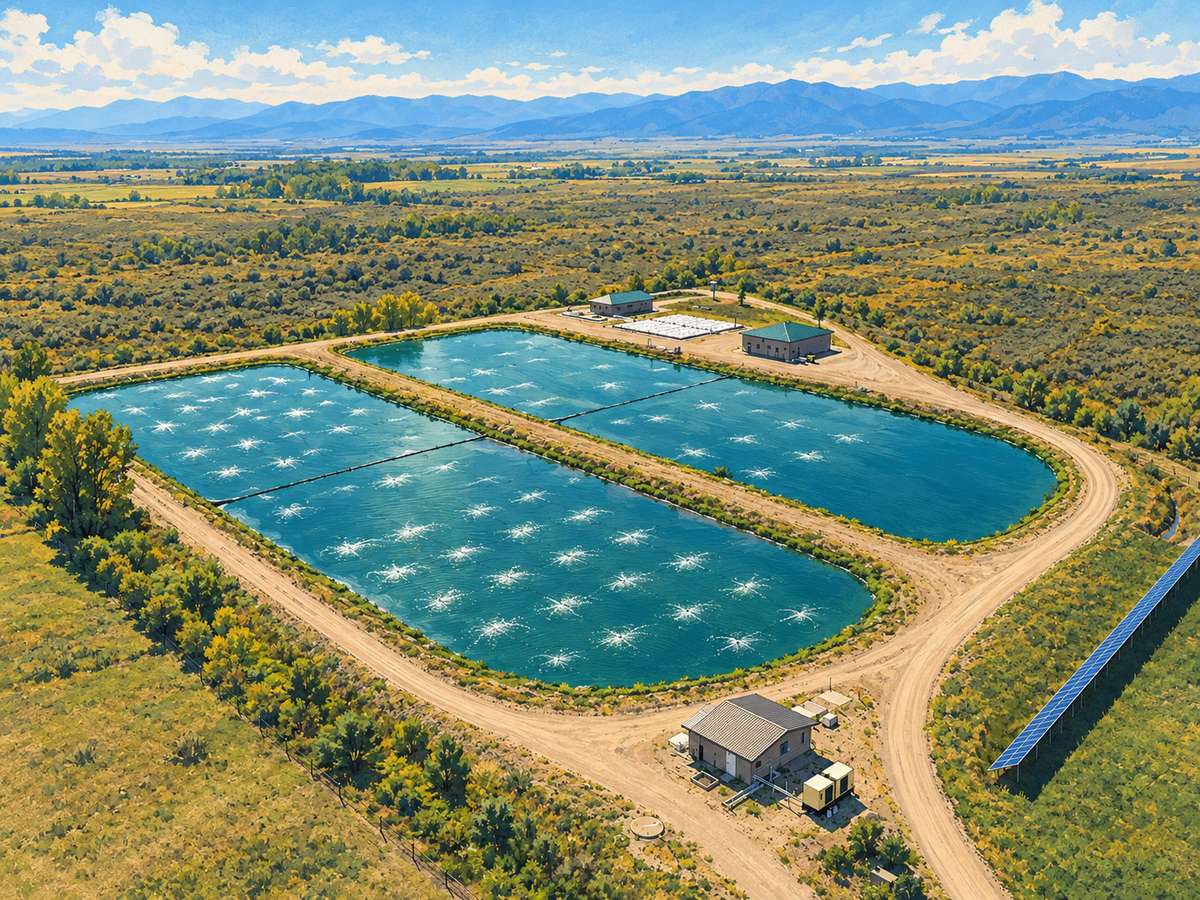
DRIGGS — Idaho DEQ placed Driggs wastewater funding at the top of its draft Clean Water State Revolving Fund priority list for fiscal year 2027, making the city eligible for up to $25 million to rebuild its treatment plant.
Public comment on the draft plan runs through 5 p.m. MT on May 18. DEQ expects to adopt the final list around June 1.
The ranking comes 15 months after Driggs signed a federal consent decree requiring the city to rebuild the plant by Dec. 15, 2028. The consent decree capped a 13-year enforcement history that cost the city $400,000 in Clean Water Act penalties. [See: Victor v. Driggs: Inside Teton Valley's $65 Million Wastewater Breakdown.]
What the ranking buys
The $25 million package includes $6,344,240 in principal forgiveness, which the city does not repay. The remainder is a 30-year loan at 2.50%. DEQ placed Driggs in Tier 2 of its disadvantaged community structure, which qualifies the project for principal forgiveness and a reduced interest rate. The non-disadvantaged SRF rate is 2.25% over 20 years, or up to 3.50% at the ceiling.
Funds are reimbursable. DEQ releases money after work is completed, not in advance.
Driggs scored 300 rating points on DEQ's Clean Water priority system, the highest score of any project on the list. Harrison ranked second at 265 points for $3.48 million. Blackfoot ranked third at 240 points for $5 million. Together, the top three projects account for $33.48 million of the $58 million in net CWSRF resources DEQ has available for fiscal year 2027.
13 years of violations
DEQ's scoring system awards up to 510 points across six categories: public health emergency, regulatory compliance, watershed restoration, protection of beneficial uses, sustainability, and affordability. Compliance violations and discharges to impaired water bodies score high. Driggs discharges to Woods Creek, an impaired water body, and is subject to a federal consent decree.
The city's enforcement record dates to 2006, when the EPA cited Driggs for 1,459 permit violations and assessed a $4,000 penalty. Driggs built a $13 million treatment plant in 2013. Between 2012 and 2017, the EPA documented 3,722 additional violations at the plant and assessed an additional $13,500 in penalties. DOJ filed its lawsuit in October 2022, citing more than 2,600 violations over seven years and ammonia discharges at 2,000% of permit limits. DOJ and EPA lodged the consent decree in federal court on Jan. 22, 2025, resolving the case, including a $400,000 penalty and a Dec. 15, 2028, rebuild deadline.
The plant
Forsgren Associates, the project's engineering firm, reached 30% design in December 2024 at a cost estimate of $31.6 million. Dave Noel is the engineer of record. The 60% design presentation goes to the Driggs City Council on June 2.
The replacement plant uses an activated sludge process with a membrane bioreactor from Kubota Membrane USA, which the city selected in November 2024. The system recirculates bacterial biology over 20 days, compared to the current plant's 12-hour cycle. The design produces Class A reclaimed water, the highest EPA grade, suitable for irrigation and groundwater recharge. Forsgren designed the plant for 4% annual growth through 2048.
The current facility exceeds permit limits for both flow rate and organic waste load. Non-wastewater inflows from irrigation, rain, and snowmelt enter the system through damaged pipes and manholes, overloading the filtering chambers during peak summer demand and preventing ammonia-eating bacteria from functioning.
The project goes to bid in March 2027, with construction starting in summer 2027, initial startup in September 2028, and full operation on Jan. 1, 2029.
Funding gap and rates
The $25 million in Driggs wastewater funding leaves roughly $6.6 million unfunded against the current $31.6 million estimate. The November 2023 facility plan had estimated the full project at $25.5 million; the figure grew from roughly $500,000 in redesign costs tied to Victor's withdrawal from the shared system and from broader construction inflation. Driggs has applied for a Community Project Grant through Rep. Mike Simpson's office. The city has not disclosed the status of that application.
Driggs residents pay $109.56 per month for sewer service. Rates will rise once the plant rebuild proceeds, but the city has not set final rates under the SRF loan structure.
How to comment
Public comments on the draft Intended Use Plan are accepted and open until 5 PM May 18. DEQ plans to publish the final plan around June 1 after review and approval by the Idaho Board of Environmental Quality.
Upcoming dates: DEQ comment deadline, May 18. Driggs City Council 60% design presentation, June 2. Board of Environmental Quality adoption of the final Intended Use Plan is expected in June.
Sources: Idaho DEQ Draft FY2027 Clean Water and Drinking Water Intended Use Plan (April 20, 2026); EPA press release, Jan. 22, 2025; Federal Register notice of lodging of proposed consent decree, Jan. 22, 2025; Forsgren Associates 30% design estimate, December 2024; Driggs Wastewater Treatment Plant facility plan adopted Nov. 7, 2023.
Subscribe
The Morning Signal
Teton Valley news, once or twice a week. The reporting is airtight. The introduction is unhinged.